Plan for reality
Light, moon, weather, access, focal length, safety, and story all shape the shot before the first frame.
Southern California · under open skies
The practice
The public archive moves across focal lengths, formats, and continents, but the method stays grounded: understand the conditions, build the frame, gather enough information, and finish without losing the feeling that made the camera come out.
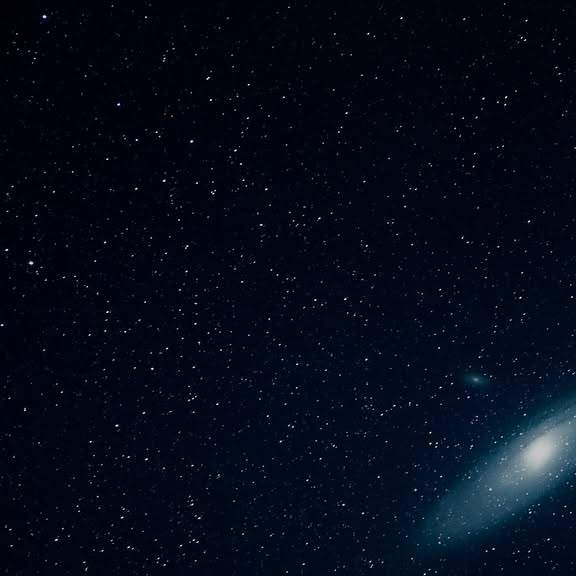
That can mean a tracked Milky Way panorama in Joshua Tree, a deep-sky target, an aerial abstraction in Brazil, a volcanic field film in Hawaiʻi, or a 30-second camera lesson that makes one technical idea click.
Field principles
Light, moon, weather, access, focal length, safety, and story all shape the shot before the first frame.
The most useful education shows the visual consequence of a choice, then gives people room to experiment.
Destination work should preserve specificity rather than turn every location into the same generic backdrop.
Processing is part of authorship: clear enough to reveal the scene, restrained enough to keep it believable.
California·Hawaiʻi·Brazil·Vietnam·Japan
Locations represented in Cyrus’s public field archiveBuilt to pass the craft forward
Cyrus’s astrophotography platform turns research and field practice into connected learning paths, planning tools, target dossiers, processing recipes, and honest diagnostics.
It is where the technical part of the practice can go deep without asking the personal portfolio to become a content maze.
Enter NIGHTFRAME ↗Photography · education · field stories